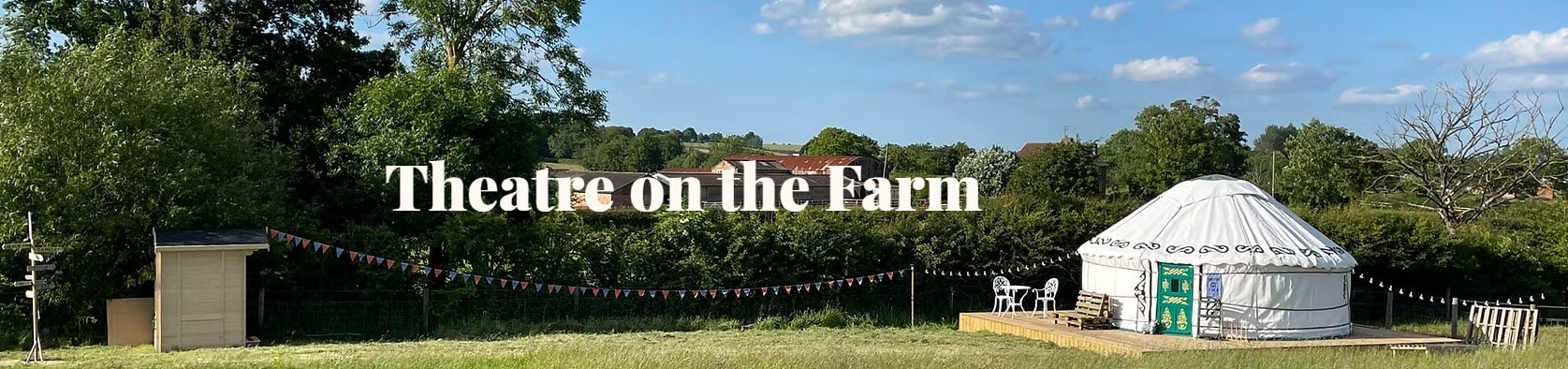
In an era where digital screens dominate our attention, a unique venture in the heart of the countryside is proving that the most powerful “streaming” happens in the open air. Theatre on the Farm, based at the idyllic Lopemede Farm, has become a standout case study in how to blend traditional agriculture with the performing arts to create a thriving, sustainable community hub.
The Challenge: Beyond the “Traditional” Theatre
For years, the performing arts have been largely confined to urban centers and “black box” studios. For local communities in more rural areas, accessing high-quality theatre often meant a long commute and a high price tag.
At the same time, modern life has seen a decline in “green time”—the essential connection to nature that supports mental health. The founders of All The World’s A Stage saw an opportunity: What if the theatre didn’t just happen near nature, but was immersed in it?
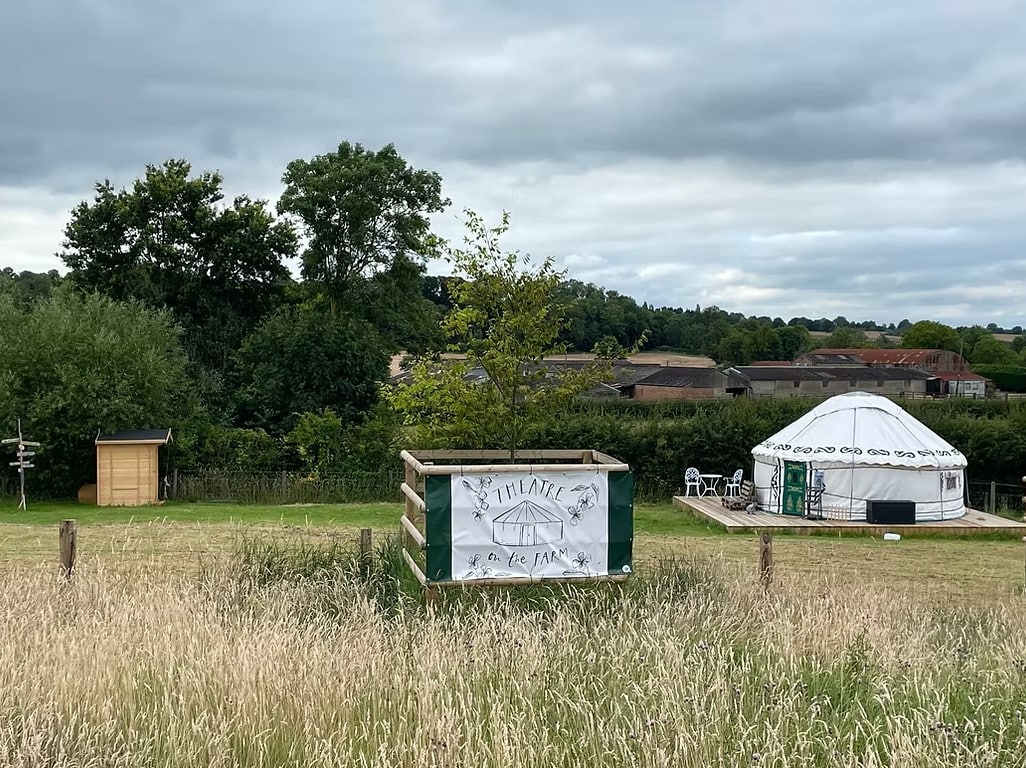
Yurt workshop space in a farm setting
The Solution: A Hybrid Creative Space
Theatre on the Farm didn’t just put a stage in a field; they built an ecosystem. By utilizing the unique landscape of Lopemede Farm, they developed a multi-functional venue that serves several purposes:
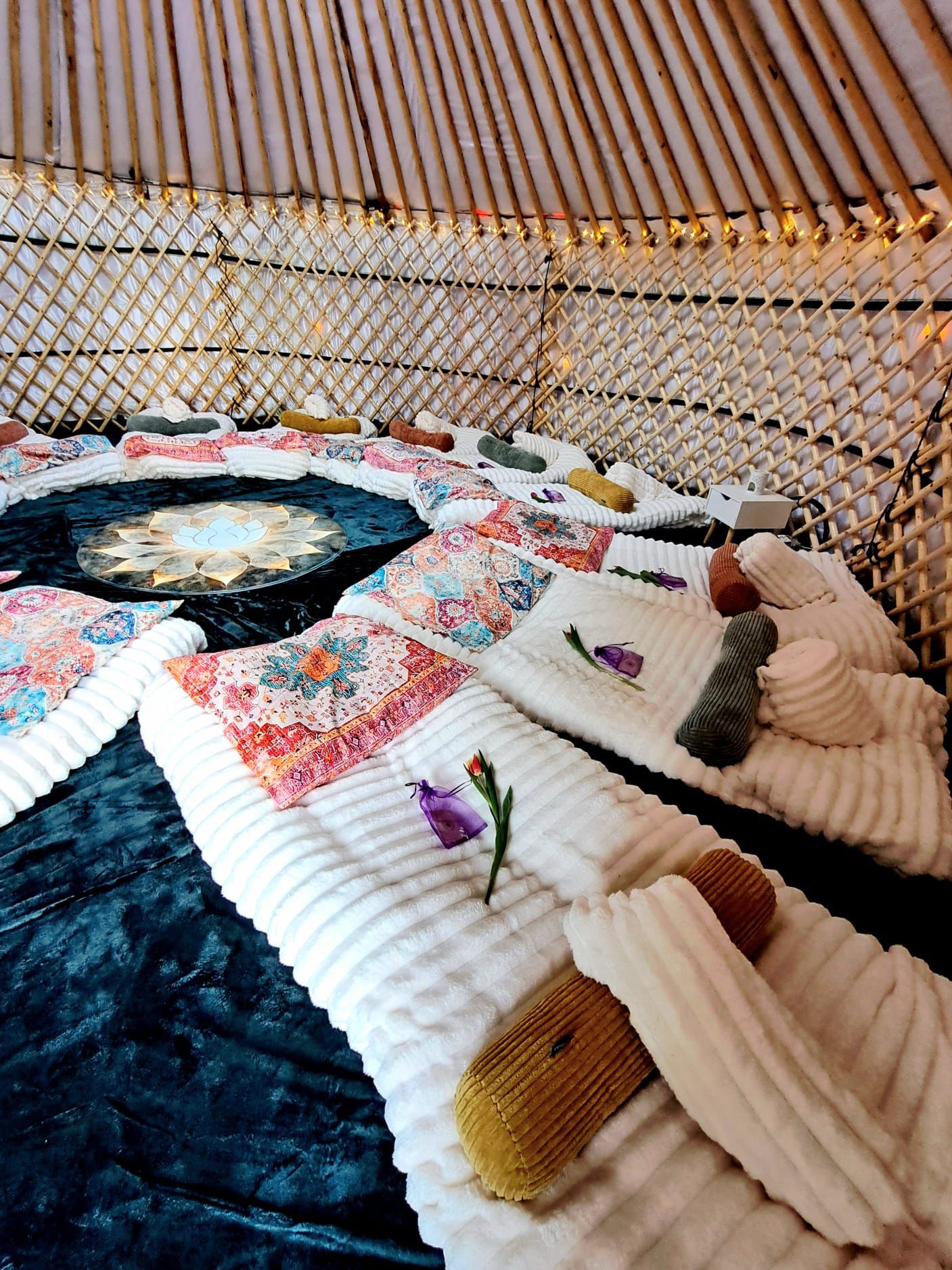
- The Mongolian Yurt: A cosy, 6m diameter indoor space used for winter performances, intimate folk sessions, and wellness workshops.
- The Open-Air Stage: A dedicated space for summer productions, hosting both original work and touring companies.
- Educational Hub: Offering classes in singing, acting, and dancing for adults and teenagers, filling a gap in local extracurricular provision.
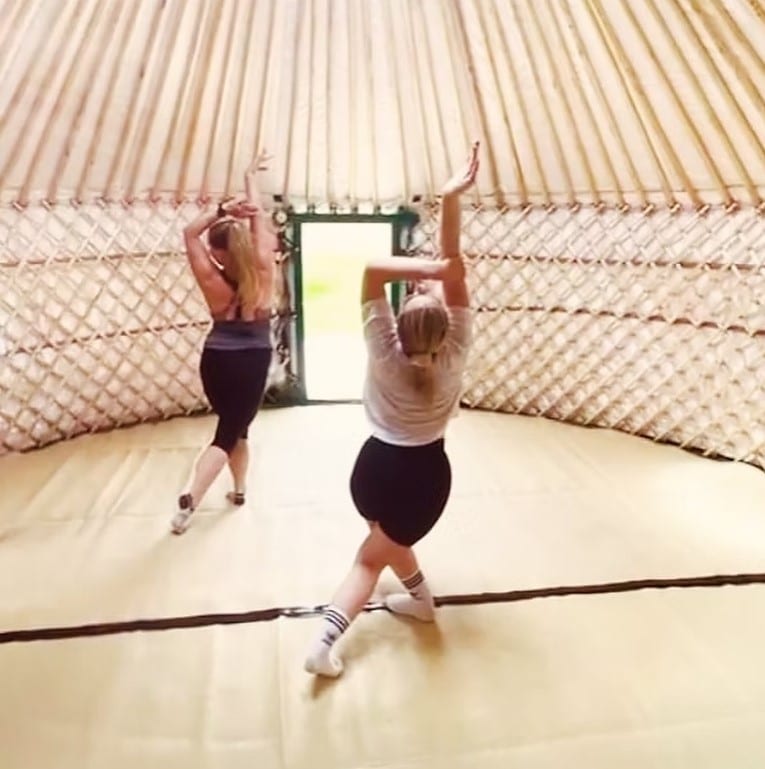
Yurt interior as a yoga and dance studio
The Impact: Measuring Success Beyond the Box Office
The success of Theatre on the Farm can be measured through three distinct “impact pillars”:
1. Mental Health & Wellbeing
By moving rehearsals and performances outdoors, the organization taps into the proven benefits of Ecotherapy. Participants in their workshops report reduced stress and anxiety, citing the combination of creative expression and the natural environment as a powerful mood booster.
2. Economic Sustainability for Small Farms
This case study is a perfect example of farm diversification. By hosting a theatre company, Lopemede Farm creates an additional revenue stream and brings a new demographic of visitors to the land who might not otherwise visit a traditional farm.
3. Community Cohesion
In an age of loneliness, Theatre on the Farm acts as a “social glue.” From their “Slow Food & Earth Markets” to their collaborative Shakespeare productions, they have created a space where local residents, artists, and farmers intersect.
“Innovation doesn’t always require new technology—sometimes it just requires a new perspective on old traditions.”
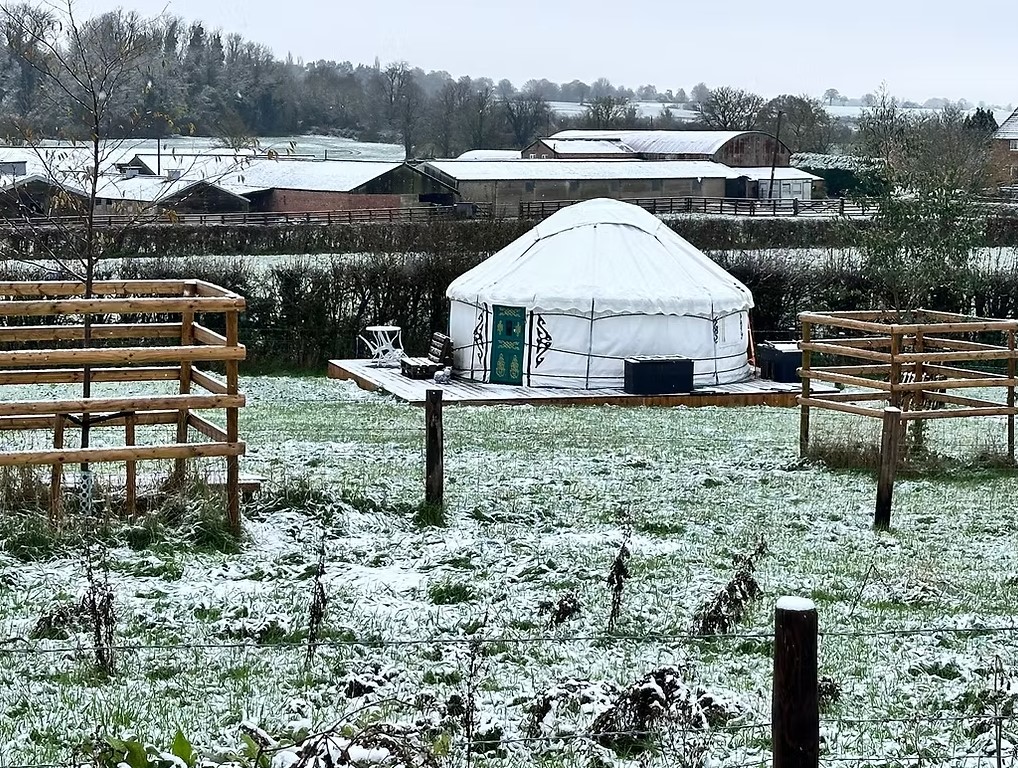
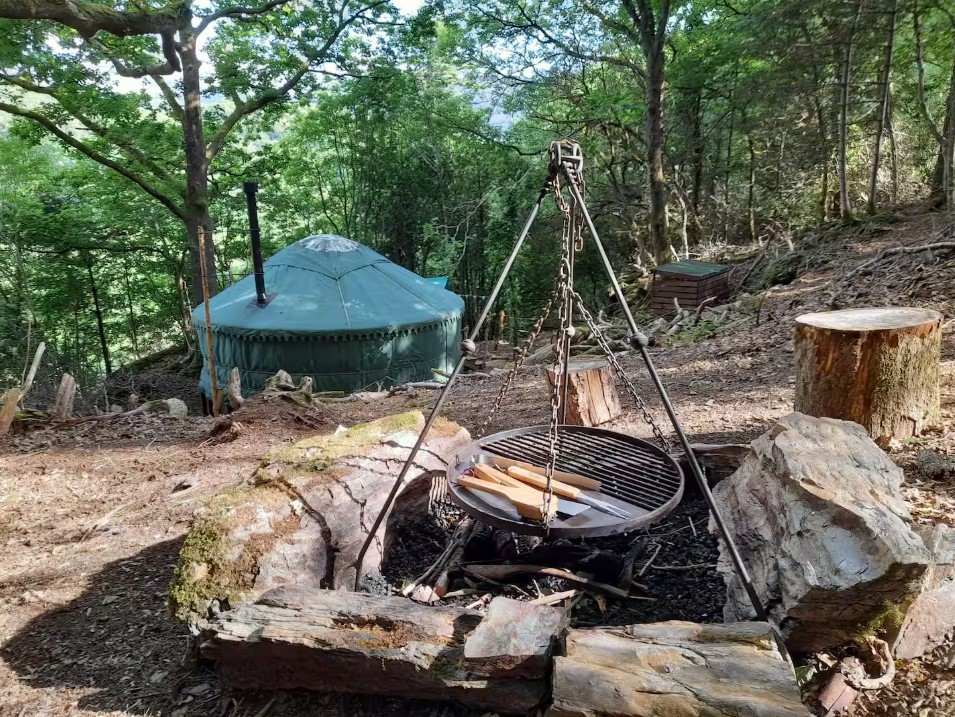
Insulated winter yurt — snow resilience
Key Lessons for Creative Entrepreneurs
- Asset Mapping: Look at what you already have. A barn, a field, or a yurt can be more than just “space”—it can be an atmosphere.
- Accessibility Matters: By keeping yurt hires affordable and offering “pay as you feel” options, they’ve ensured the arts remain a right, not a luxury.
- Experience Over Spectacle: People don’t just go to watch a play; they go for the experience of the sunset and the smell of the grass.
Are you looking to host your own event or join a workshop?
Explore the magic for yourself at www.theatreonthefarm.com.
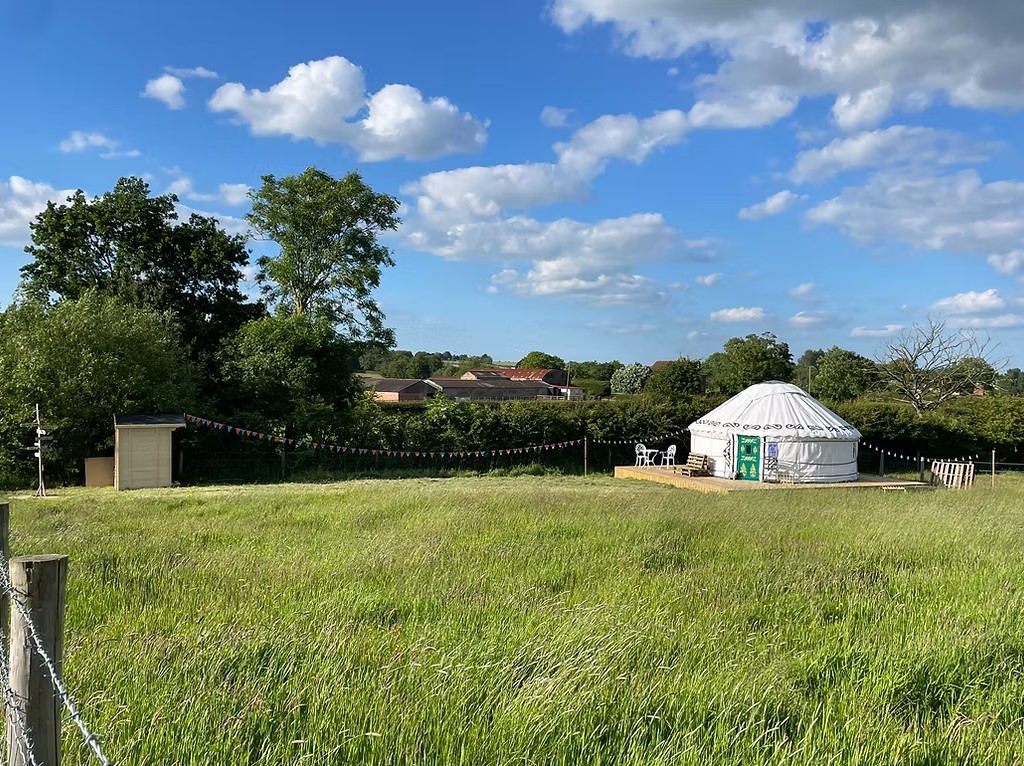
Portable yurt kit — meadow installation
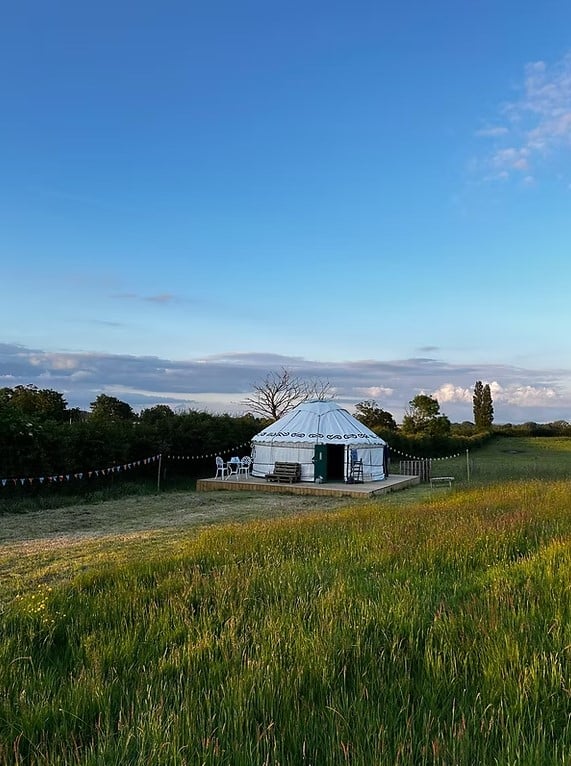
Off-grid living yurt — rural landscape
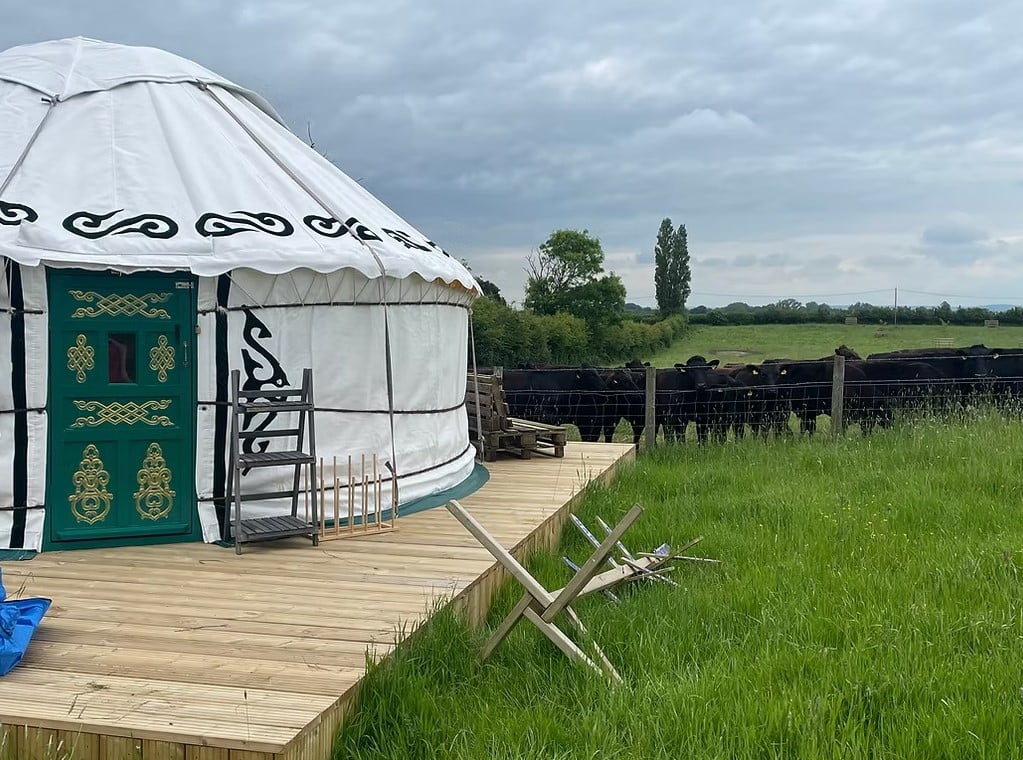
Custom yurt with green door & decking
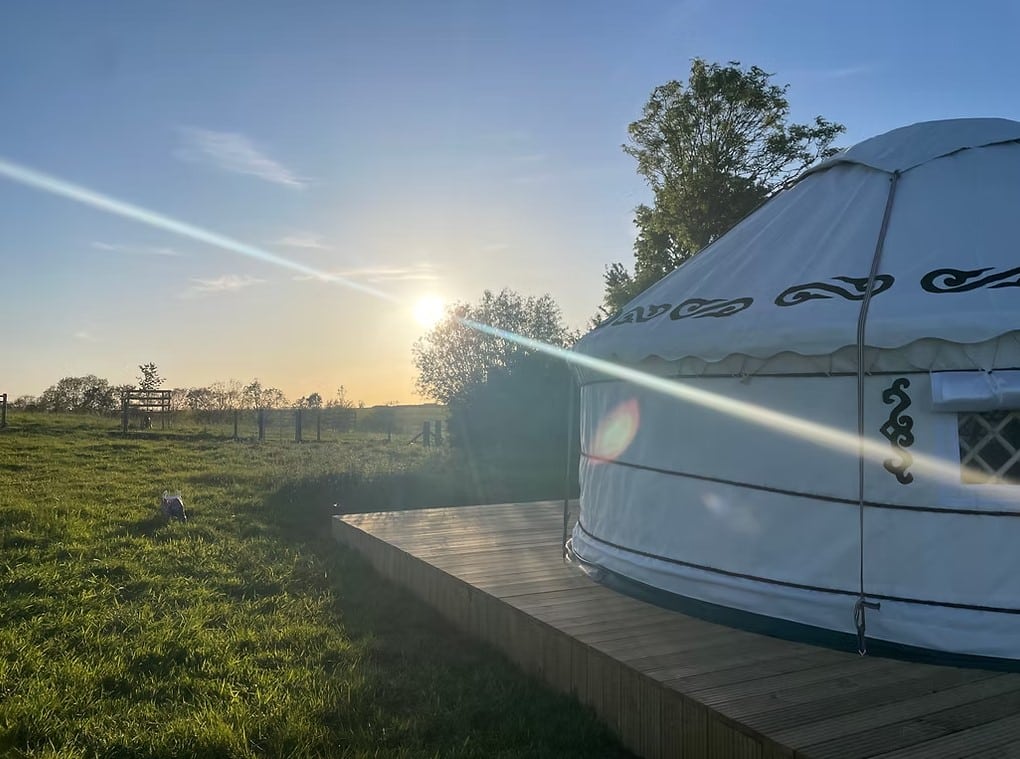
Eco-friendly yurt on wooden deck